Proper Connections Prevent Combustion Failures
Gas Appliance Installation in Little River for homes replacing ranges, dryers, or water heaters and requiring secure fuel connections
North Strand Gas Piping connects gas-powered appliances including ranges, dryers, water heaters, and fireplaces to safe and reliable fuel sources in residential and commercial properties throughout Little River. You purchase a new appliance expecting it to perform as rated, but improper connections can cause incomplete combustion, yellow flames, sooting, or delayed ignition. The service ensures that gas pressure matches appliance specifications, ventilation meets code requirements, and every connection is tested for leaks before you place the appliance into regular use.
Technicians verify inlet pressure at the appliance shutoff valve, install flexible connectors rated for the fuel type, and tighten fittings to manufacturer torque specifications. They check that burners receive adequate air mixture, adjust regulator settings if needed, and confirm that exhaust venting is clear and properly sealed. This work supports appliance replacements, new home installations, and upgrades from electric to gas models where piping already exists.
If you are installing a new gas appliance or replacing an older unit, reach out to schedule connection service and confirm that your system is ready to support the new equipment.
Ventilation Standards That Prevent Carbon Monoxide Buildup
You depend on gas appliances to burn fuel cleanly and exhaust combustion gases outdoors, so technicians check that vent pipes are the correct diameter, that they slope upward without sagging, and that termination points are located away from windows and air intakes. They inspect draft hoods on water heaters, confirm clearances around fireplace inserts, and ensure dryer vents are not kinked or restricted by lint buildup.
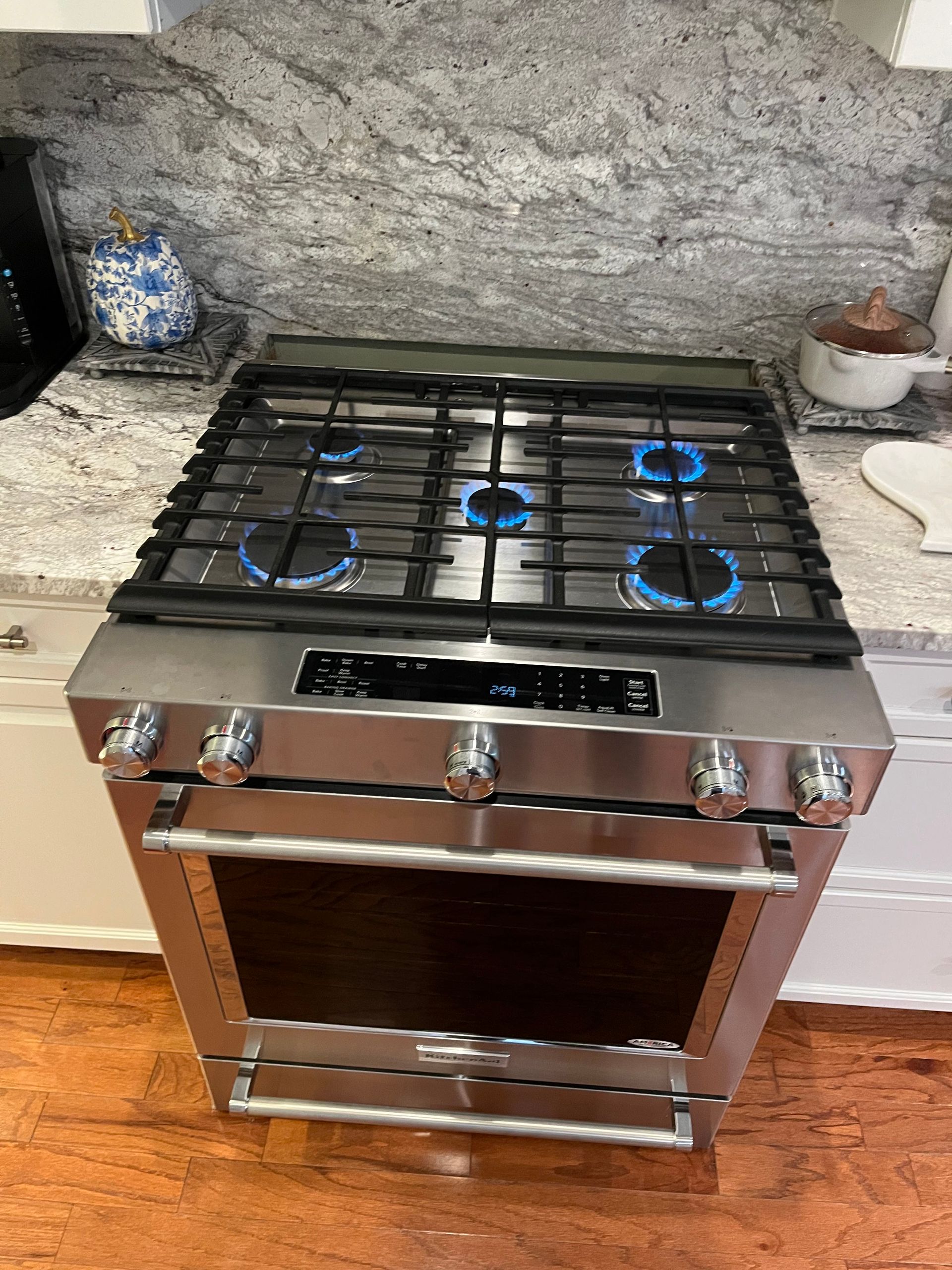
After installation, you will notice that burners light immediately without delayed ignition, flames burn blue and steady without flickering, and appliances operate without odor or excessive heat around connections. North Strand Gas Piping labels shutoff valves, verifies that appliance nameplates match gas supply specifications, and provides documentation for warranty registration. The work reduces the risk of leaks and improves appliance efficiency by ensuring correct fuel delivery from the start.
Appliance installation does not include running new gas lines to locations where piping does not already exist, and it does not cover permit fees or inspections required by local authorities. If your appliance requires electrical hookup, water line connection, or structural modifications, those tasks are handled separately. Technicians focus on fuel delivery and safe connection, leaving cosmetic finishing and appliance setup to the homeowner or appliance installer.
What to Know Before Connecting a New Appliance
Homeowners often ask about pressure requirements and what happens if existing piping does not match new appliance demands.
What is the difference between natural gas and propane connections?
Natural gas operates at lower pressure and uses different orifice sizes than propane, so appliances must be configured for the correct fuel type or converted using manufacturer-approved kits before connection.
How do technicians verify gas pressure at the appliance?
They attach a manometer to the appliance inlet, monitor pressure while burners operate, and compare readings to the specifications listed on the appliance nameplate to confirm adequate supply.
When should you replace flexible gas connectors?
Flexible connectors should be replaced if they show signs of kinking, corrosion, or damage, and they should never be reused when moving an appliance to a new location or installing a replacement unit.
Why do some appliances require a dedicated shutoff valve?
Building codes mandate shutoff valves within a few feet of each appliance so that fuel can be quickly isolated during service, repair, or emergency situations without shutting down the entire system.
What happens if an appliance does not ignite after installation in Little River?
Technicians recheck gas pressure, inspect pilot assemblies or ignition systems, and confirm that air shutters and orifice sizes match the fuel type before troubleshooting electrical or control issues.
If you need to connect a new appliance or want to verify that your existing connections meet current safety standards, contact the team to arrange service and ensure reliable operation from the first use.