Preventing Gas System Problems Before They Interrupt Your Home
Gas System Maintenance in Little River for aging gas lines, appliance connection failures, and pressure inconsistencies
North Strand Gas Piping performs routine gas system maintenance for homeowners in Little River who want to avoid leaks, pressure drops, and appliance malfunctions before those problems disrupt daily life. When you notice a faint odor near the meter, hear a hissing sound from a gas line fitting, or find that your water heater takes longer to recover than it used to, those are signs that wear, corrosion, or loose connections are affecting the system. You need inspections that catch small issues before they require emergency shutoffs or costly repairs.
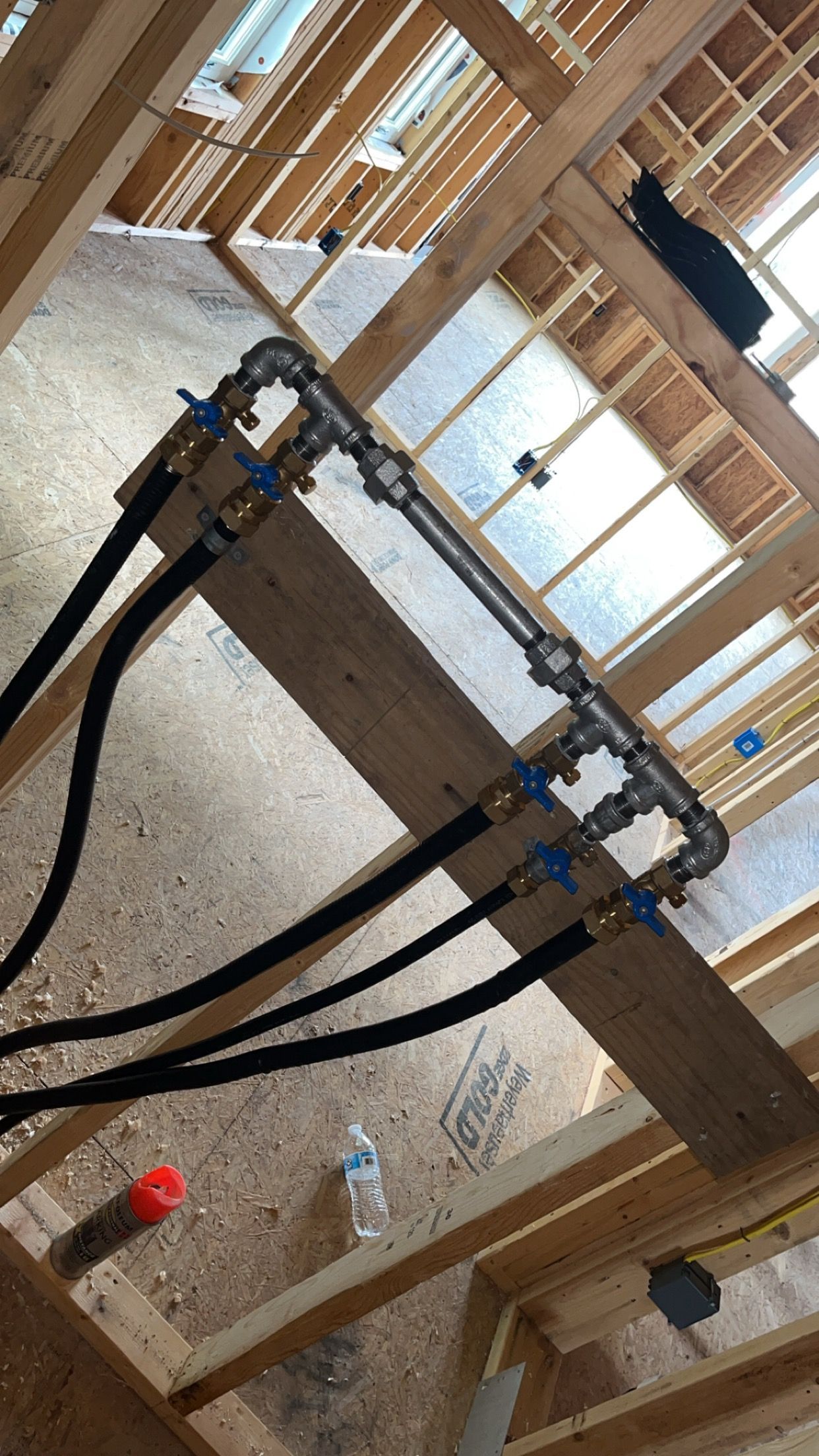
Gas system maintenance includes inspecting all visible gas piping for rust, corrosion, or physical damage, testing connections at appliances and valves with leak detection solution, and measuring gas pressure at multiple points to confirm consistent delivery. Older homes with black iron pipe can develop internal corrosion that restricts flow, while flexible CSST lines sometimes loosen at compression fittings if not installed with proper support. Preventative service identifies these conditions before appliances fail to ignite or before a leak develops.
If your home has not had a gas system inspection in more than two years, schedule a maintenance visit to confirm everything operates safely.
What Technicians Check During a Maintenance Visit
You will see technicians use a manometer to measure static and dynamic gas pressure, apply leak detection solution to every threaded connection and valve, and inspect the condition of gas line supports and sediment traps. They check that flexible connectors at appliances show no kinks or abrasion, that shutoff valves turn smoothly without sticking, and that the regulator at the meter maintains proper outlet pressure under load. After the inspection, you will know whether your system meets current safety standards and whether any components need replacement or adjustment.
Maintenance visits often reveal problems such as a regulator diaphragm that no longer holds steady pressure, a drip leg clogged with sediment, or a valve bonnet that has loosened enough to allow a slow leak. North Strand Gas Piping tightens fittings, replaces worn components, and documents pressure readings so you have a record of system performance over time. When inspections uncover significant corrosion or code violations, technicians provide recommendations for repair or replacement and explain what the work involves.
Routine maintenance does not include appliance tune-ups, chimney inspections, or repairs to internal appliance components, but it does ensure that the gas supply feeding those appliances remains safe and reliable. Property owners with older systems benefit most from annual inspections.
Questions Property Owners Ask About Gas System Maintenance
Homeowners want to know how often inspections are necessary, what problems are most common, and whether maintenance prevents all leaks before deciding to schedule service.
How often should a residential gas system be inspected?
Most systems benefit from inspection every two to three years, but homes with older black iron piping, high appliance loads, or a history of leaks should schedule annual maintenance.
What are the most common problems found during gas system inspections?
Loose fittings, corroded pipe threads, failed pressure regulators, and sediment buildup in drip legs account for the majority of issues identified during routine maintenance visits.
When does a gas line need to be replaced instead of repaired?
Replacement becomes necessary when corrosion has thinned the pipe wall, when multiple leaks appear along a single run, or when the existing pipe size no longer supports the connected appliance load.
Why does gas pressure drop when multiple appliances run at the same time?
Undersized gas piping, a failing regulator, or excessive distance from the meter to the appliances can all cause pressure drops, and a technician uses a manometer to measure pressure under load and identify the restriction.
What type of leak detection solution do technicians use in Little River?
Most technicians apply a soap-based solution that bubbles when it contacts escaping gas, and this method works on all types of fittings without damaging pipe coatings or leaving residue that could clog valves.
If you want to confirm your gas system operates safely or if you have noticed any unusual odors or appliance performance changes, contact North Strand Gas Piping to arrange a maintenance inspection and review what the process includes.