Backup Power Depends on Uninterrupted Fuel Supply
Generator Installation & Repair in Little River for properties requiring standby power during storms and extended outages
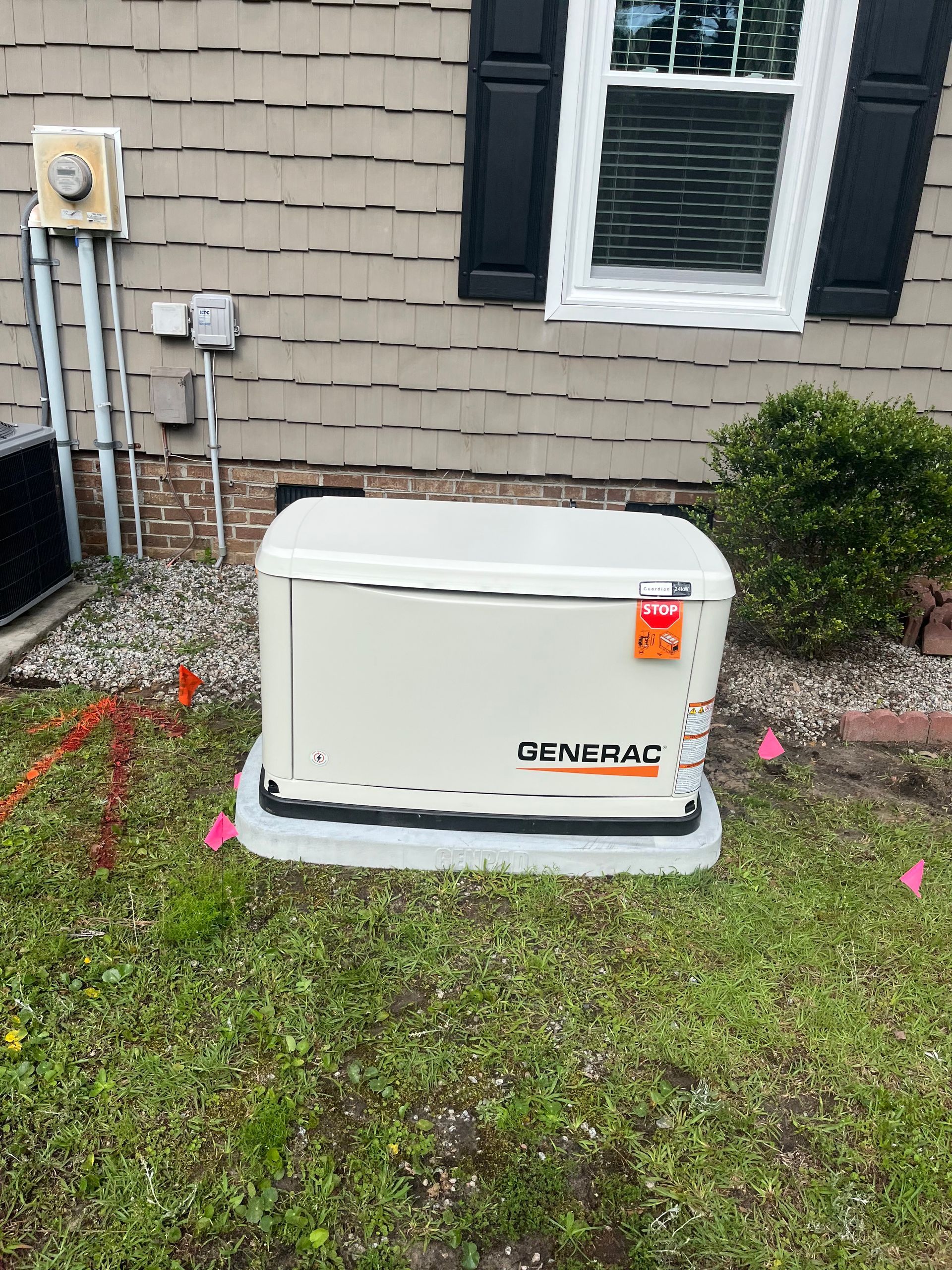
North Strand Gas Piping connects gas-powered standby generators to reliable fuel sources in residential and commercial properties throughout Little River, ensuring automatic operation when electrical service fails during severe weather. You install a generator to protect refrigerated food, maintain air conditioning, power medical equipment, or keep security systems running, but the generator cannot start or sustain load without a properly sized gas line that delivers sufficient fuel under demand. The service includes running dedicated pipe from the main supply to the generator pad, installing shutoff valves, and testing the system under full load to confirm fuel delivery meets manufacturer specifications.
Coastal communities in Little River face hurricane season each year, and power outages lasting days or weeks are a recurring risk. Technicians calculate BTU requirements based on generator capacity, select pipe diameter that prevents pressure drop during startup, and secure connections that resist vibration and moisture exposure. Repair services address fuel supply interruptions, connection leaks, and gas delivery problems that prevent the generator from reaching full output or cause it to shut down mid-cycle.
If you are planning to install a standby generator or need to repair fuel supply issues affecting an existing unit, reach out to schedule a consultation and confirm that your gas system can support continuous operation during extended outages.
Load Calculations That Prevent Mid-Cycle Fuel Starvation
You expect a generator to run continuously for as long as the outage lasts, but if the gas line cannot deliver enough fuel during peak demand, the generator will bog down, overheat, or trip offline. Technicians measure the distance from the meter to the generator, account for pressure drop through fittings and valves, and verify that the main supply line has capacity to serve both the generator and other appliances operating at the same time.
After installation, you will notice that the generator transitions smoothly from standby to full load, runs without fluctuation or engine hesitation, and maintains voltage stability across all connected circuits. North Strand Gas Piping labels the generator shutoff valve, documents gas pressure readings at idle and full load, and confirms that the system meets both manufacturer requirements and local code. The work ensures that backup power remains available when you need it most, without interruption or failure caused by inadequate fuel delivery.
Generator installation does not include electrical hookup, transfer switch wiring, or concrete pad construction, and it does not cover permits or inspections required for the generator itself. If your property uses propane instead of natural gas, tank sizing and placement are handled separately. Repair work focuses on fuel supply issues and does not extend to engine diagnostics, control board replacement, or warranty service provided by the generator manufacturer.
Questions About Generator Fuel Systems
Property owners often ask how fuel delivery affects generator performance and what to check if the unit fails to start during an outage.
What size gas line does a whole-home generator require?
Line size depends on generator capacity and run length, but most whole-home units rated between ten and twenty kilowatts require at least one-inch diameter pipe to prevent pressure drop during sustained operation.
How do technicians test fuel delivery under load?
They start the generator, apply full electrical load using breaker activation or load bank testing, and monitor gas pressure at the inlet to confirm it remains within the range specified by the generator manufacturer.
When should you schedule generator fuel system inspection?
Inspections are recommended annually before hurricane season, especially if you have not run the generator under load recently or if you have added appliances that increase fuel demand during outages.
Why do generators sometimes shut down after running for several hours?
Extended run times can reveal undersized gas lines that cause pressure to drop as fuel demand remains high, or they can expose leaks and loose connections that worsen under continuous vibration.
What happens if the main gas meter cannot supply both the house and the generator?
Technicians evaluate total system demand and may recommend a larger meter or a separate propane tank dedicated to the generator if natural gas capacity is insufficient during peak use in Little River.
If you need to install a new generator fuel line or troubleshoot an existing system that fails to deliver consistent power during outages, contact the team to schedule service and verify that your gas supply is sized and configured correctly.