Gas Piping Installed Before Walls Close
New Construction Gas Rough-Ins in Little River for builders who need gas supply routed during framing and foundation stages
North Strand Gas Piping installs gas rough-in piping for new homes and commercial buildings in Little River during the early construction phase when walls are open and access is unobstructed. When you wait until finishes are in place to think about gas lines, you face costly modifications, drywall repairs, and delays that push back occupancy. You need gas piping installed at the right stage so appliances, fireplaces, generators, and outdoor features connect without cutting into finished surfaces.
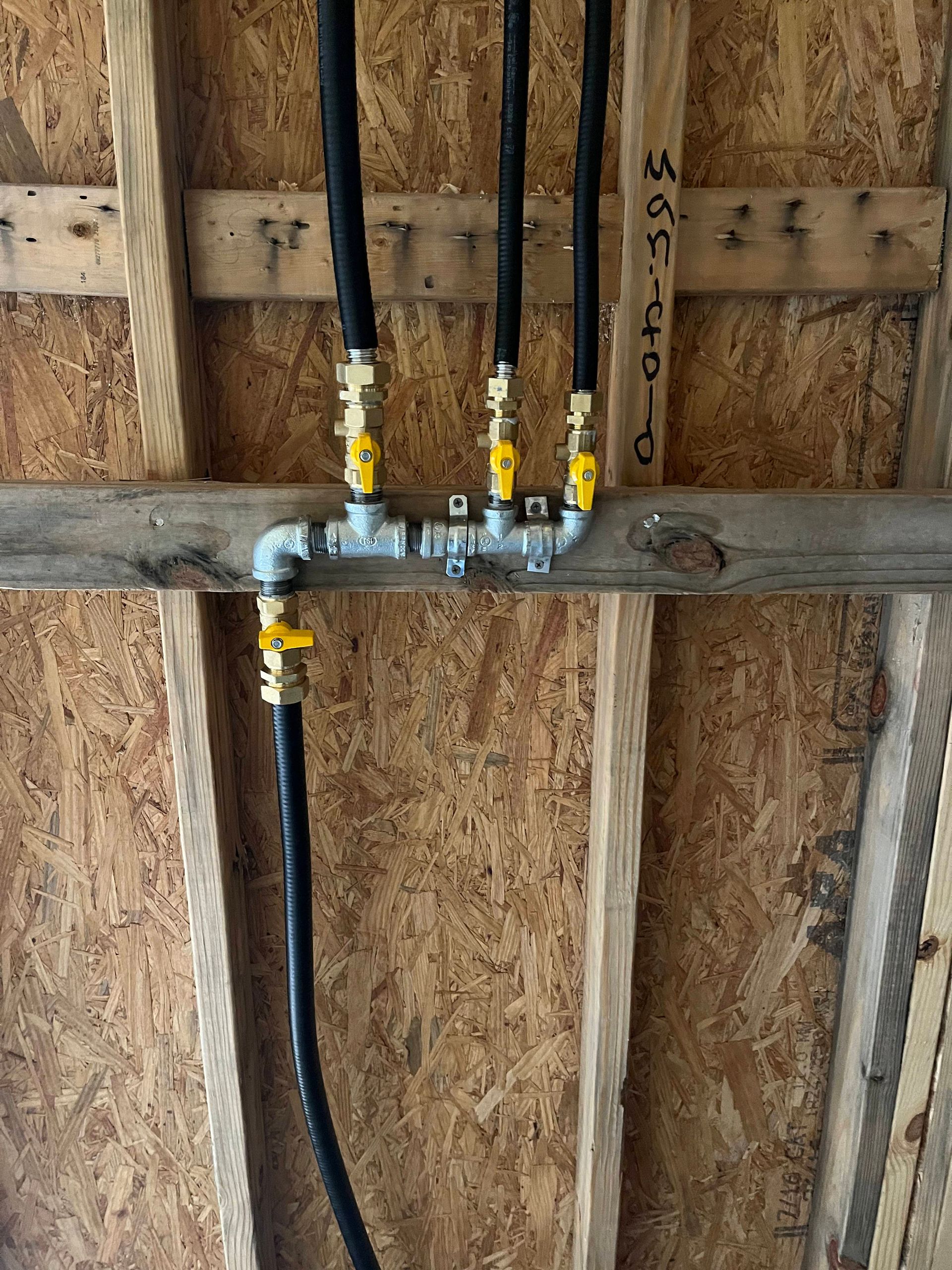
Gas rough-in work involves running pipe from the meter location to every point where an appliance will connect, capping each stub-out, and pressure testing the system before framing inspection. Technicians install supply lines for kitchens, laundry rooms, water heaters, fireplaces, standby generators, and outdoor grills according to the building plan and equipment schedule. Proper planning ensures pipe runs avoid conflicts with electrical, plumbing, and HVAC systems and that stub-outs terminate at the correct height and location for each appliance.
If you are building a new home or commercial facility and need gas piping coordinated with the construction schedule, reach out to discuss rough-in requirements and timing.
What Happens During a Gas Rough-In
You will see technicians measure and mark stub-out locations based on appliance specifications, route pipe through floor joists or wall cavities using appropriate hangers, and install shutoff valves at each termination point. Rough-in installations follow building codes for pipe sizing, support spacing, and clearance from other utilities. After the piping is installed and tested, you will have capped gas lines ready for final appliance connections once the building is finished.
Rough-in work often includes installing a main shutoff valve near the meter, running a dedicated line to the generator location, and placing stub-outs for future appliances even if they are not installed immediately. North Strand Gas Piping coordinates with builders to ensure pipe runs do not interfere with structural members, insulation, or vapor barriers. The work includes pressure testing the entire system with air or nitrogen, documenting test results for the building inspector, and labeling all stub-outs so finish contractors know which lines serve which appliances.
Gas rough-ins do not include final appliance connections, appliance installation, or gas meter placement, but early planning ensures that the system is ready when those steps occur. Builders benefit from clear communication about appliance locations and BTU requirements before rough-in begins.
Questions Builders and Contractors Ask About Gas Rough-Ins
Builders want to know when to schedule rough-in work, how to avoid conflicts with other trades, and what information is needed before installation begins.
When should gas rough-in be scheduled during construction?
Most rough-in work happens after framing and roof installation are complete but before insulation, drywall, or finish flooring, and coordinating with the electrical and plumbing rough-ins prevents conflicts.
What information do technicians need before starting a rough-in?
A floor plan showing appliance locations, BTU ratings for each appliance, and the meter location allow technicians to size pipe correctly and plan efficient routes through the structure.
How do you avoid pipe runs that interfere with floor joists or studs?
Technicians use code-approved drilling and notching limits, install pipe parallel to framing members when possible, and coordinate with framers to identify load-bearing locations that cannot be penetrated.
Why is pressure testing required before the building is finished?
Pressure testing confirms that all joints are leak-free and that the system can hold pressure over time, and catching leaks during rough-in prevents costly repairs after walls are closed.
What type of gas pipe is used for new construction rough-ins in Little River?
Most residential rough-ins use CSST flexible gas line for ease of installation, while commercial projects often use black iron pipe, and both materials meet code requirements when installed with proper fittings and support.
If you are starting a new construction project and need gas piping installed during the rough-in phase, contact North Strand Gas Piping to coordinate scheduling and review the appliance layout before framing inspection.