Safe Fuel Delivery Starts with Proper Pipe Sizing
Gas Line Installation in Little River for homes adding new gas appliances or switching from electric systems
North Strand Gas Piping installs gas piping systems that deliver safe and consistent fuel to stoves, fireplaces, water heaters, generators, and outdoor equipment in residential and commercial properties throughout Little River. You rely on appliances that require steady gas pressure and code-compliant connections, and the service ensures proper pipe sizing and pressure regulation before any fuel flows through the system. When you convert from electric to natural gas or propane, or when you remodel a kitchen and add a commercial-grade range, the piping must match the demand of every connected appliance.
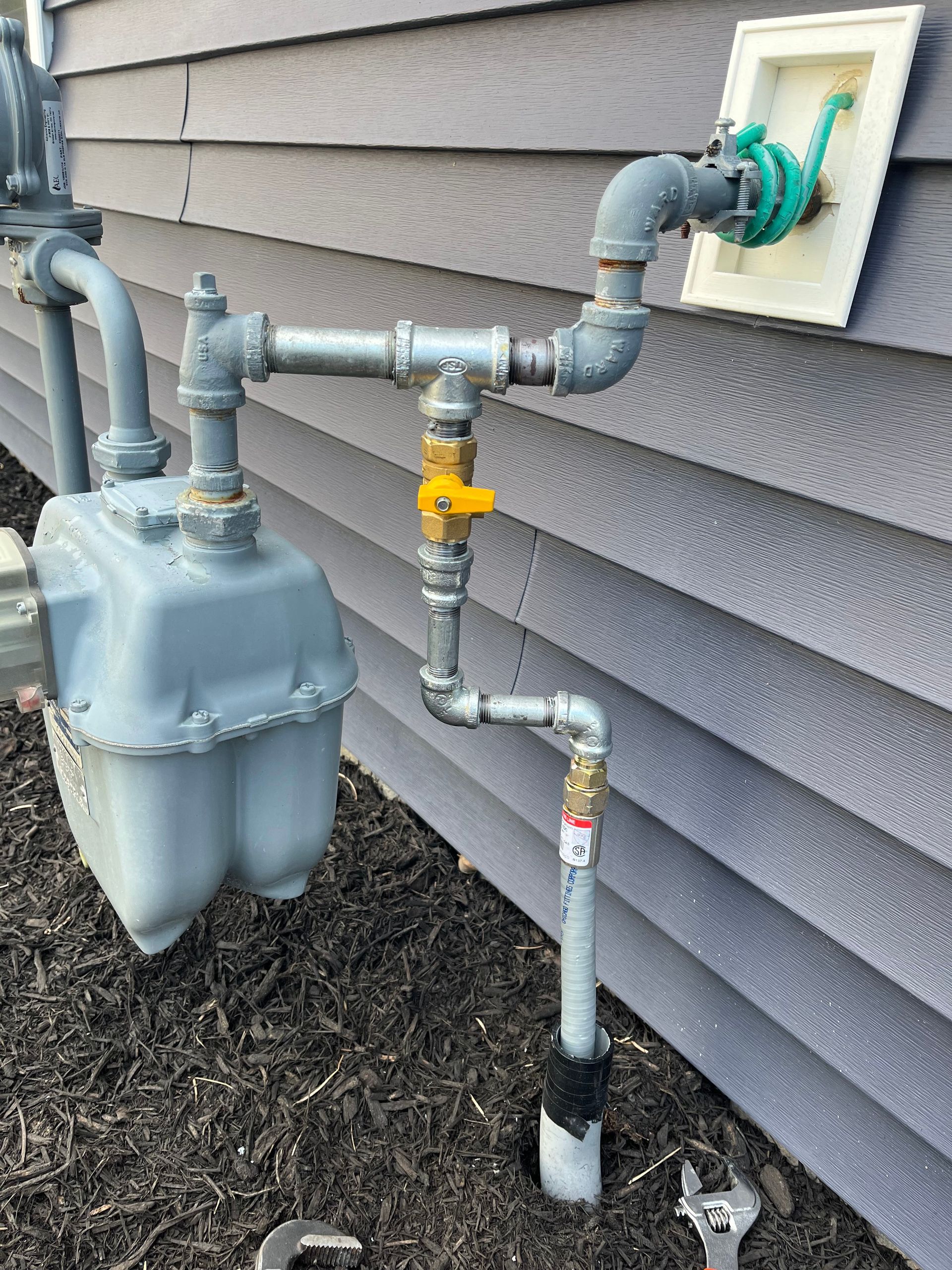
Technicians design layouts that account for the distance between the meter and each appliance, the type of fuel being used, and the ventilation requirements in each room. Undersized pipe can starve appliances of fuel and cause incomplete combustion, while oversized pipe wastes material and complicates installation. The work includes running pipe through walls, floors, and crawl spaces, securing connections with approved fittings, and testing the system under pressure to confirm there are no leaks before appliances are activated. This process supports new construction, appliance upgrades, and additions such as outdoor grills or pool heaters.
If you are planning to add gas service to your property or replace outdated piping, contact the team to schedule an estimate and review your layout before work begins.
Planning Routes That Avoid Future Access Problems
You need to know where pipe will run and how it will reach each appliance before installation day. Technicians evaluate your floor plan, identify the shortest safe routes, and avoid areas where future access would require cutting into finished walls or lifting tile floors. They consider whether your property uses black steel pipe, corrugated stainless steel tubing, or copper, and they select materials that meet local codes and match the fuel type being delivered.
After installation, you will notice that gas appliances ignite reliably, maintain consistent flame height, and operate without odor or fluctuation. North Strand Gas Piping pressure-tests every section of new pipe, labels shutoff valves, and ensures appliances receive the BTU input specified by the manufacturer. The system becomes part of your home infrastructure, hidden from view but critical to daily function.
Installation work does not include appliance hookup unless separately arranged, and it does not cover permits required by your municipality. Inspections are scheduled after rough-in is complete, and final connections are made only after approval. If you add appliances later, existing pipe may need to be resized or extended to handle the increased load.
Questions About New Gas Line Systems
Homeowners often ask how gas piping differs from other utility work and what happens during the first days after installation.
What determines the correct pipe size for a gas line?
Pipe diameter depends on the total BTU demand of all connected appliances, the length of the run, and the type of fuel being delivered, so technicians calculate load and measure distances before selecting materials.
How long does it take to install gas lines in a typical home?
A straightforward installation with access to open walls or a crawl space usually takes one to two days, but longer runs or complex layouts may require additional time for routing and testing.
When should you schedule installation if you are remodeling?
You should plan gas line work after framing and electrical rough-in are complete but before drywall goes up, so pipe can be routed and inspected without cutting into finished surfaces.
Why do some properties in Little River require longer pipe runs?
Homes on larger lots or properties with detached garages, pool houses, or outdoor kitchens often need extended gas lines to reach appliances located far from the meter or main supply.
What happens if an appliance is added after the system is installed?
Technicians assess whether existing pipe capacity can support the new appliance or whether a larger main line is needed to maintain safe pressure across all connections.
If you are ready to move forward with gas service or need to evaluate your current system capacity, reach out to discuss your project timeline and confirm that pipe sizing will meet both present and future appliance needs.