Odor Detection Requires Immediate Professional Response
Gas Leak Detection & Repair in Little River for properties with odor alerts, aging pipes, or suspected system failures
North Strand Gas Piping locates and repairs gas leaks in residential and commercial systems throughout Little River, using professional testing methods to identify leaks in gas lines, fittings, and appliance connections before they escalate into safety hazards. You may notice the sulfur smell added to natural gas and propane, hear a hissing sound near pipe runs, or see dead vegetation along buried lines outside. These signs indicate that fuel is escaping the system, and immediate action is required to restore safe operation and prevent ignition risks.
Leaks develop when pipes corrode over time, when fittings loosen due to vibration or thermal expansion, or when older threaded connections fail under pressure. Technicians apply soap solutions to joints, use electronic leak detectors to scan pipe runs, and pressurize sections of the system to isolate the source. Once located, repairs involve replacing damaged pipe sections, tightening or re-threading fittings, and confirming that all connections hold pressure during a final test cycle.
If you detect gas odor or suspect a leak anywhere on your property, leave the area and contact professionals immediately to schedule detection and repair service.
Testing Methods That Pinpoint Hidden Failures
You cannot see gas escaping through a pinhole crack or a loose connection buried in a wall, so technicians rely on tools that measure pressure drop, detect trace amounts of fuel in the air, and reveal leaks that would otherwise go unnoticed until systems fail completely. They isolate sections of pipe, monitor gauge readings over time, and track where pressure falls faster than expected.
After repairs are complete, you will notice that gas odor disappears, appliances maintain steady flame without fluctuation, and pressure readings remain stable across the system. North Strand Gas Piping documents every leak location, explains what caused the failure, and advises whether other sections of pipe are at similar risk due to age or corrosion patterns. The work restores safe fuel delivery and prevents recurrence of the same fault.
Leak detection does not include appliance testing unless the source is traced to an appliance connection, and it does not cover pipe replacement beyond the immediate repair area. If corrosion is widespread, a larger section of pipe may need replacement to prevent future leaks. Preventative inspections help identify weak points before they fail, especially in systems more than twenty years old or in homes with galvanized steel pipe.
Common Questions About Leak Detection and Safety
Property owners often ask how leaks develop and what to expect during detection and repair work.
What causes gas leaks in older pipe systems?
Corrosion from moisture, electrolysis between dissimilar metals, and repeated thermal cycling weaken pipe walls and fittings, eventually allowing fuel to escape through cracks or loose threads.
How do technicians confirm a leak is fully repaired?
After replacing or tightening the affected section, technicians pressurize the system, apply leak detection solution to all connections, and monitor pressure gauges to confirm no further drop occurs over a timed interval.
When should you schedule a leak inspection if no odor is present?
Inspections are recommended every few years for homes with aging gas systems, especially if you notice appliances performing inconsistently or if you plan to sell the property and want to confirm system integrity.
Why do leaks sometimes occur near appliance shutoff valves?
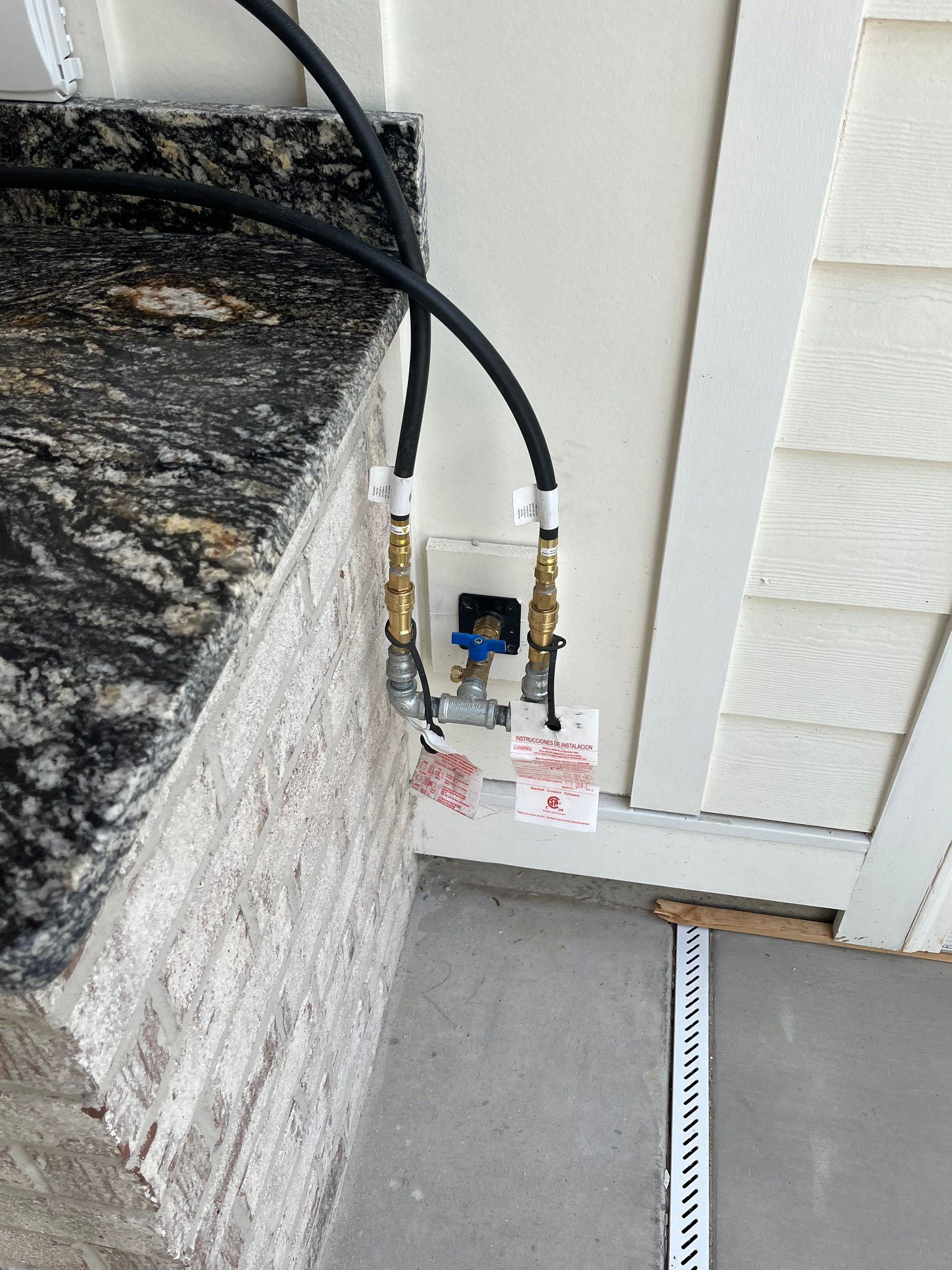
Shutoff valves experience frequent movement during appliance service or replacement, and repeated opening and closing can loosen packing nuts or wear valve seats, allowing small leaks to develop over time.
What should you do if you smell gas in Little River late at night?
Leave the building immediately, avoid using light switches or anything that could create a spark, and call the gas company emergency line and a licensed professional to assess the system as soon as it is safe to return.
If you suspect a leak or want to schedule a preventative inspection, contact the team to arrange testing and confirm that your gas piping system is delivering fuel safely without loss or hazard.